
El Niño weather explained: What is it and does it affect Lancashire

Significant weather is expected to occur towards the end of 2026, with forecasts predicting a brutal polar vortex.
Most of the UK woke up today and felt a chill in the air before hitting the heat button switch to ‘on’.
While October signals a more chilly atmosphere and temperatures dropping by Halloween, a polar vortex also threatens a cold snap this winter, with snow forecast, as The Met Office issues a new warning on El Niño.
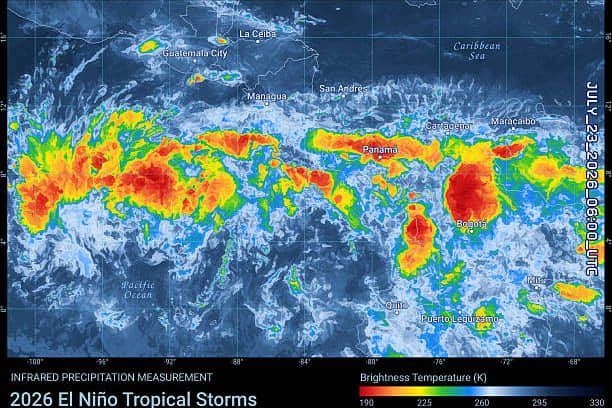

What is El Niño?
The name 'El Niño' is widely used to describe the warming of sea surface temperature that occurs every few years, typically concentrated in the central-east equatorial Pacific.
An El Niño is declared when sea temperatures in the tropical eastern Pacific rise 0.5 °C above the long-term average. El Niño is felt strongly in the tropical eastern Pacific with warmer than average weather.
The effects of El Niño often peak during December; it's name "the boy" is thought to have originated as "El Niño de Navidad" centuries ago when Peruvian fishermen named the weather phenomenon after the newborn Christ.
What is La Niña?
'La Niña' or "the girl" is the term adopted for the opposite side of the fluctuation, which sees episodes of cooler than average sea surface temperature in the equatorial Pacific. The conditions for declaring 'La Niña' differ between different agencies, but during an event sea temperatures can often fall 3-5 °C below average. Cooler, drier than average weather is experienced in the tropical eastern Pacific.
There are also neutral phases of the cycle when conditions are closer to the long-term average (within +/- 0.5 °C). These may be within a period of warming or cooling in the cycle. Approximately half of all years are described as neutral.
Will it affect Lancashire?
The direct effects of El Niño will be felt across the globe and may heighten instances of extreme weather in regions such as India, East Asia, South America, parts of Africa and the West Pacific.
UK weather systems tend to be less directly affected by El Niño but given the potentially unprecedented nature of this El Niño, these effects are uncertain.
Should I start stockpiling?
Secondary effects of El Niño on global food supply chains have the potential to reduce yields and drive up prices, particularly in regions with already low food security.
The UK could (emphasis on ‘could’), experience higher prices for products such as rice, and certain tropical commodities (for example: cocoa, coffee) but the precise effects remain difficult to predict.
Changing weather patterns caused by El Niño could increase global demand for liquified natural gas (LNG), placing additional pressure on a global market already facing uncertainty from the Ukraine and Middle East conflicts.
The UK currently has a sufficient energy buffer for the coming winter but the effects of El Niño remain uncertain: Europe could be particularly vulnerable to rising prices and increased global competition for energy supplies, such as LNG.
For now remain calm and don’t panic buy and look after your elderly neighbours doing a cold snap.